Source Home Exercise Resistance Bands for Gym, Travel, and Rehab
Compare 30 home exercise resistance band options from China. These manual, TPE-based bands are designed for leg training and unisex adult use, with dimensions ranging from compact 14cm packs to 200cm lengths. Customization and OEM services are available for bulk orders.
Key considerations
Products List




Comprehensive Sourcing Guide
Home Exercise Resistance Band Sourcing Guide
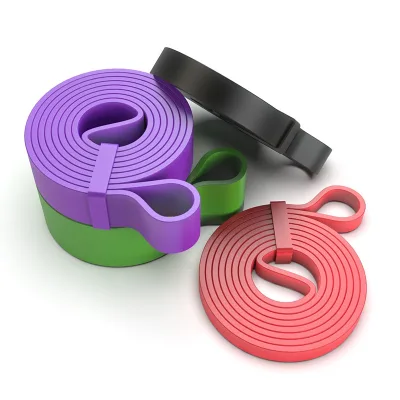
Buyers must first distinguish between the specific product variants available in the current market, as the data reveals distinct models like HSN-0433 and HSN-0510 with vastly different physical profiles. While some units are compact, measuring approximately 14.61 by 22.23 centimeters and weighing only 75 grams, others are elongated bands reaching 200 centimeters in length with a weight of 220 grams. This variation dictates the intended use case, ranging from targeted leg exercises to full-body stretching routines, requiring the procurement team to align model selection with specific training goals before initiating contact.
The commercial landscape for these items shows a wide price range from 0.10 to 11.00 USD, influenced heavily by material composition and customization levels. Many suppliers offer OEM services and accept custom logos, which is critical for private label strategies, yet the minimum order quantities fluctuate significantly between 2 and 400 units depending on the specific model. Procurement decisions should prioritize the balance between unit cost and the flexibility of the MOQ, ensuring that the initial order volume does not exceed inventory capacity while still securing the desired branding options.
Product Scope and Observed Listing Signals
The product scope encompasses unisex resistance bands designed for both home and gymnasium environments, specifically targeting leg exercises and general gym training. The observed listings indicate a primary power source of manual operation, confirming that these are passive resistance tools rather than motorized equipment. Buyers should verify that the selected model matches the intended user demographic, as some listings specify women-only targeting while others remain unisex, ensuring the marketing message aligns with the actual product attributes.
Listing signals also highlight significant diversity in packaging and physical form factors, with options ranging from paper boxes to paper crates. The color options are generally listed as multiple or solid, allowing for visual differentiation in retail displays. However, the folded status is noted as unfolded for certain models, implying that the product arrives ready for immediate use without complex assembly. This observation simplifies the logistics chain but requires buyers to confirm the exact packaging dimensions to optimize shipping container space and reduce freight costs.
Technical Specifications to Verify
Technical verification must begin with the precise dimensional data provided for each model, as the specifications vary from compact 30 by 10 by 6 centimeter units to massive 105 by 12.7 by 0.7 centimeter bands. The HSN-0527 model, for instance, measures 200 centimeters in length with a narrow 3-centimeter width, a profile suitable for full-body stretching, whereas the HSN-0444 is a smaller, more portable unit. Buyers must cross-reference these dimensions against their storage constraints and the specific exercise mechanics required for their target customer base to avoid purchasing ill-fitting inventory.
Material composition is another critical technical parameter, with TPE identified as a standard material for these resistance bands. This material choice influences the elasticity, durability, and skin feel of the product, which are key selling points for end-users. Additionally, the product weight varies from 65 grams to 330 grams across different models, a factor that impacts shipping costs and the perceived quality of the item. Procurement teams should request physical samples to validate that the TPE material meets the expected tensile strength and does not degrade quickly under repeated use.
Compliance and Safety Documentation
Compliance verification requires confirming the presence of CE, ISO, and RoHS certifications, which are explicitly listed as high-confidence attributes for the product line. These certifications indicate that the manufacturing processes and material safety meet specific international standards, which is essential for importing goods into regulated markets like the European Union. Buyers should request valid certification documents from the supplier to ensure that the specific batch being ordered adheres to these standards, rather than relying solely on general claims found in the product listing.
Safety documentation must also address the specific usage instructions and potential risks associated with manual resistance training. While the product is designed for home and gymnasium use, the lack of motorized components reduces electrical hazards but introduces mechanical risks if the band snaps under tension. Buyers should ensure that the supplier provides clear labeling regarding the maximum load capacity and proper usage techniques. This documentation is vital for liability protection and helps retailers educate their customers on safe exercise practices.
Cost Drivers and Commercial Terms
Cost drivers in this category are heavily influenced by the level of customization, including OEM services and custom logo acceptance. Suppliers that offer these services often have higher unit costs but provide greater value for brands looking to differentiate their products in a crowded market. The payment terms, which include Trade Assurance, Western Union, and TT, offer varying levels of security for the buyer. Selecting the appropriate payment method depends on the buyer's risk tolerance and the established relationship with the supplier, balancing cash flow needs with transaction security.
The minimum order quantity (MOQ) acts as a significant financial gatekeeper, with observed ranges spanning from 100 to 400 pieces for specific models. This variability allows buyers to start with smaller test orders or commit to larger volumes for better economies of scale. However, the MOQ must be weighed against the storage costs and the potential for inventory obsolescence. Buyers should negotiate flexible MOQ terms based on the total annual volume commitment, ensuring that the initial order does not strain working capital while still securing a competitive unit price.
Supplier Qualification and Quality Control
Supplier qualification should focus on verifying the origin of the goods, with Jiangsu, China, and general China origins noted in the data. Understanding the specific manufacturing region can provide insights into the local supply chain maturity and the typical quality standards associated with that area. Buyers should conduct due diligence on the supplier's production capacity and history to ensure they can consistently meet the required order volumes without compromising on the TPE material quality or dimensional accuracy.
Quality control protocols must be established to verify that the physical attributes, such as weight and dimensions, match the specifications provided in the listing. Discrepancies in weight, which ranges from 65 to 330 grams, could indicate inconsistent material density or manufacturing defects. Implementing a pre-shipment inspection is crucial to catch any deviations in the product standard, such as the 14.61 x 22.23 x 3.18 cm specification, before the goods leave the factory. This step ensures that the final product delivered meets the buyer's expectations and reduces the risk of returns or customer complaints.
Long-Term Procurement Checks
Long-term procurement success relies on monitoring the consistency of product standards over time, particularly as the supplier scales production. The observed standards, such as the 105 by 12.7 by 0.7 cm dimensions, must remain stable across multiple production runs to maintain brand integrity. Buyers should establish a system for periodic re-verification of these specifications, ensuring that any changes in the manufacturing process do not inadvertently alter the product's performance or physical characteristics.
Sustainability and material sourcing should also be part of the long-term evaluation, given the reliance on TPE as the primary material. Buyers need to assess whether the supplier has plans to adopt more sustainable practices or alternative materials that align with evolving market demands. Additionally, maintaining a strong relationship with the supplier through regular communication and performance reviews will help in anticipating supply chain disruptions. This proactive approach ensures a steady flow of high-quality resistance bands that continue to meet the needs of the end-user market.
FAQs
What certifications do these resistance bands have?
These resistance bands carry CE and ISO RoHS certifications, ensuring compliance with safety and environmental standards for home and gym use. This validation supports their suitability for unisex adult exercise routines. Buyers can rely on these documented attributes when sourcing products for international markets that require specific regulatory approvals for fitness equipment.
Can I customize the logo on these bands?
Yes, customization is available, including custom logos and OEM services for these resistance bands. This allows buyers to brand the products for their specific market needs. The bands are packaged in paper boxes, and the customization options extend to color choices, making them ideal for private label fitness equipment sourcing.
What is the minimum order quantity for these bands?
The minimum order quantity for these resistance bands is 100 pieces. This MOQ applies to the general product line, though specific models may vary. Buyers should verify the exact MOQ for each model, such as HSN-0433 or HSN-0510, as requirements can differ based on the specific dimensions and material specifications selected.
What materials are used to make these bands?
These resistance bands are made from TPE material, which is durable and suitable for home exercise routines. The material choice supports the bands' flexibility and resistance properties. This construction is consistent across various models, ensuring reliable performance for leg exercises and general gym training activities for adult users.
Where are these resistance bands manufactured?
These resistance bands are manufactured in China, with specific origins noted in Jiangsu. This location is a common hub for fitness equipment production. Buyers sourcing from this region can expect established supply chains and competitive pricing, while still needing to verify specific lead times and shipping details for each order.
What are the dimensions of the standard resistance band?
Standard resistance bands come in various dimensions, such as 14.61 x 22.23 x 3.18 cm or 105 x 12.7 x 0.7 cm. These sizes cater to different exercise needs and storage requirements. Buyers should select the specific model, like HSN-0433 or HSN-0510, based on the desired length and width for their target market.